

Coming up on ten years in business with the brewery, I can tell you there is exactly one phrase guaranteed to make my brain pull the emergency brake mid-conversation:
“You know what you guys should do?”
I already know what I should do. I should politely walk away or jam pencils in my eardrums.
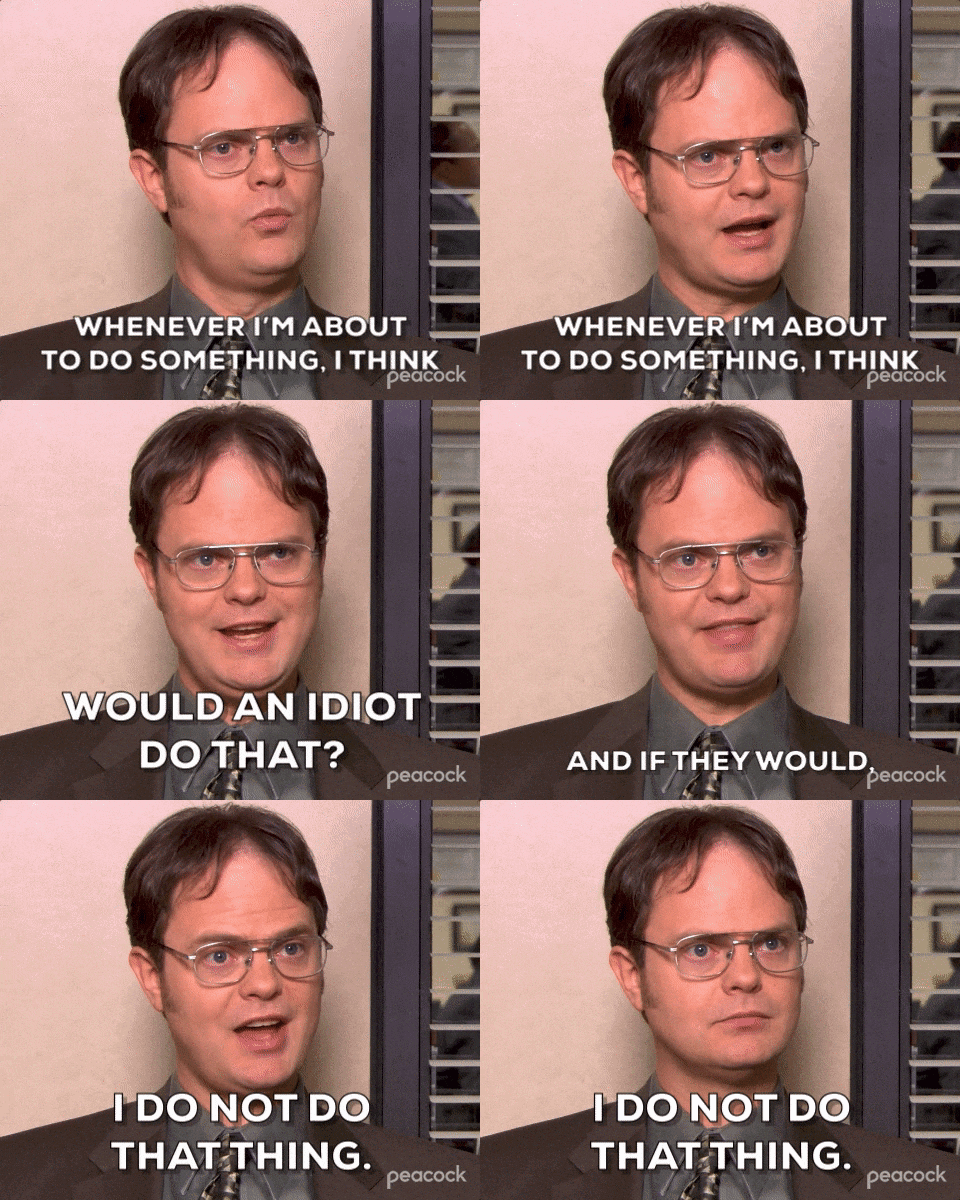
I have heard that sentence hundreds, if not thousands, of times across a decade of operations. It is almost always well-intentioned. Usually, it comes from someone a generation older who built a successful business in an era with completely different commercial realities.
They lean against the bar, take a sip, and lay out their master stroke: “If you expand your footprint and make more beer, you’ll sell more, your revenue will climb, and you’ll make more money.”
Wow. Thanks, Professor.
Here I thought I had to wrestle with cash flow, supply chain bottlenecks, and volatile distribution margins. If only I’d known about basic addition, I could have skipped the MBA and saved ten years of gray hair.
The Missing Element
Here is the fatal flaw in every piece of unsolicited drive-by advice: nobody lives in your skin.
Your spouse doesn’t know every microscopic friction point of your day. Your best friend doesn’t. Anthony, who successfully sold vinyl siding for thirty years, definitely doesn’t. None of them carry the operational scar tissue of your specific enterprise, and none of them have to lie awake staring at the drywall at 3:00 AM wondering how to absorb the latest input cost shock.
Does that mean you build an impenetrable bunker and ignore the world? Of course not.
Real operators need mentors, sounding boards, and trusted partners. Taking outside perspectives, running them through your own analytical filter, and deciding what to implement and what to discard is a mandatory survival skill.
What the armchair quarterbacks miss is that someone who has operated a business for ten years has already thought of everything.
I dare anyone to pitch me a growth hack, marketing gimmick, or operational pivot for this brewery that I haven’t already considered and discarded for very good, very practical reasons. Between personal capacity and operating in an intensely regulated industry like alcohol, the boundaries are firm. You don’t survive a decade in business without gaming out every possible move on the board until you run out of dry-erase markers.
More Is Not Always More
The biggest trap in business is assuming that growth and health are the same thing.
We are fortunate: we have a loyal customer base that loves the product. They tell us daily that they want our cans in their neighborhood liquor stores and our taps in their favorite downtown spots. The latent demand exists. We could easily double our top-line revenue tomorrow if we chased it.
What the outside observer doesn’t see is the hidden price tag attached to that growth.
To double revenue, we would have to quadruple overhead. We’d have to take on substantial debt in a mature, tightening industry where margins are shrinking and regional taprooms are closing their doors every week. It would turn a profitable, sustainable, relatively low-stress operation into an overleveraged liability teetering on the edge of insolvency.
I have watched dozens of smart, capable operators drown in that exact shallow pool. They confused scale with strength, borrowed to meet phantom margin projections, and crushed their business under the weight of their own debt service.
That says nothing of the human cost. Growth funded by chronic burnout and broken homes isn’t winning; it’s an expensive form of self-sabotage.
Bureaucracy Doesn’t Care About Your Vibe
Scale isn’t the only place people think they see low-hanging fruit. I get asked almost weekly: “Why don’t you build a bigger outdoor patio on the grass next to the taproom?”
I’m exhausted from explaining that under our township’s special-use permit, seating capacity is hard-pegged to dedicated on-site parking spaces. We are already at the outer limit of what local zoning allows.
Building a dream patio doesn’t just mean buying picnic tables and string lights. It means six months of municipal bureaucracy, hiring attorneys, pleading before planning boards, doubling the budget to make it ADA accessible, and burning thousands of dollars on a gamble with a near-zero probability of approval.
Even my own staff—people I trust and work alongside every single day—bring up ideas. Their suggestions are sharp because they know the front-of-house dynamic intimately. What they don’t know is the weight of walking through those doors seven days a week, every week of the year, carrying full legal and financial responsibility for everyone inside.
Other business owners get it immediately. When you talk to someone who has met payroll out of pocket or stared down commercial lease negotiations, they don’t give you cheap prescriptions. They just listen and nod. Especially brewery owners. We all have a slightly different operation. We have all watched friends go out of business reaching for “better.”
Take this flier!
This dynamic isn’t unique to craft beer. It applies to climbing the corporate ladder, parenting, coaching youth sports, or managing personal finances.
Driven people are wired to optimize. But you do not need to push yourself past the breaking point of your mental health, your marriage, or your balance sheet just to satisfy someone else’s definition of progress. If you were smart enough to get traction in your field, you are smart enough to choose your own pacing.
Yet, we live in a culture suffering from opinion diarrhea brought on by 20 years of social media and self-importance. Everyone wants to litigate what you wear to the gym, how you vote, how you raise your kids, and how you design your taproom menu. Somewhere along the way, people decided that having an opinion entitles them to an audience. (He said on his personal blog…)
Unsolicited advice from casual acquaintances is like being handed a paper flyer on a city sidewalk. I didn’t ask for it. I don’t want it. Now I’m stuck holding your trash until I can find a garbage can.
The Takeaway
Block out the noise. Find the very small circle of people who have earned the right to have an opinion on your life or your business—and treat the rest like ambient background static.
Optimize for what actually sustains you, your family, and your sanity—not for what looks best on someone else’s spreadsheet.